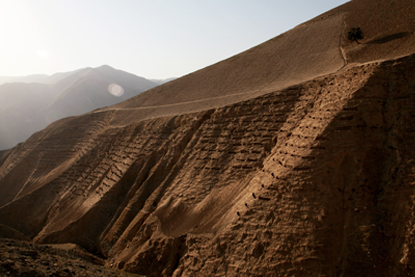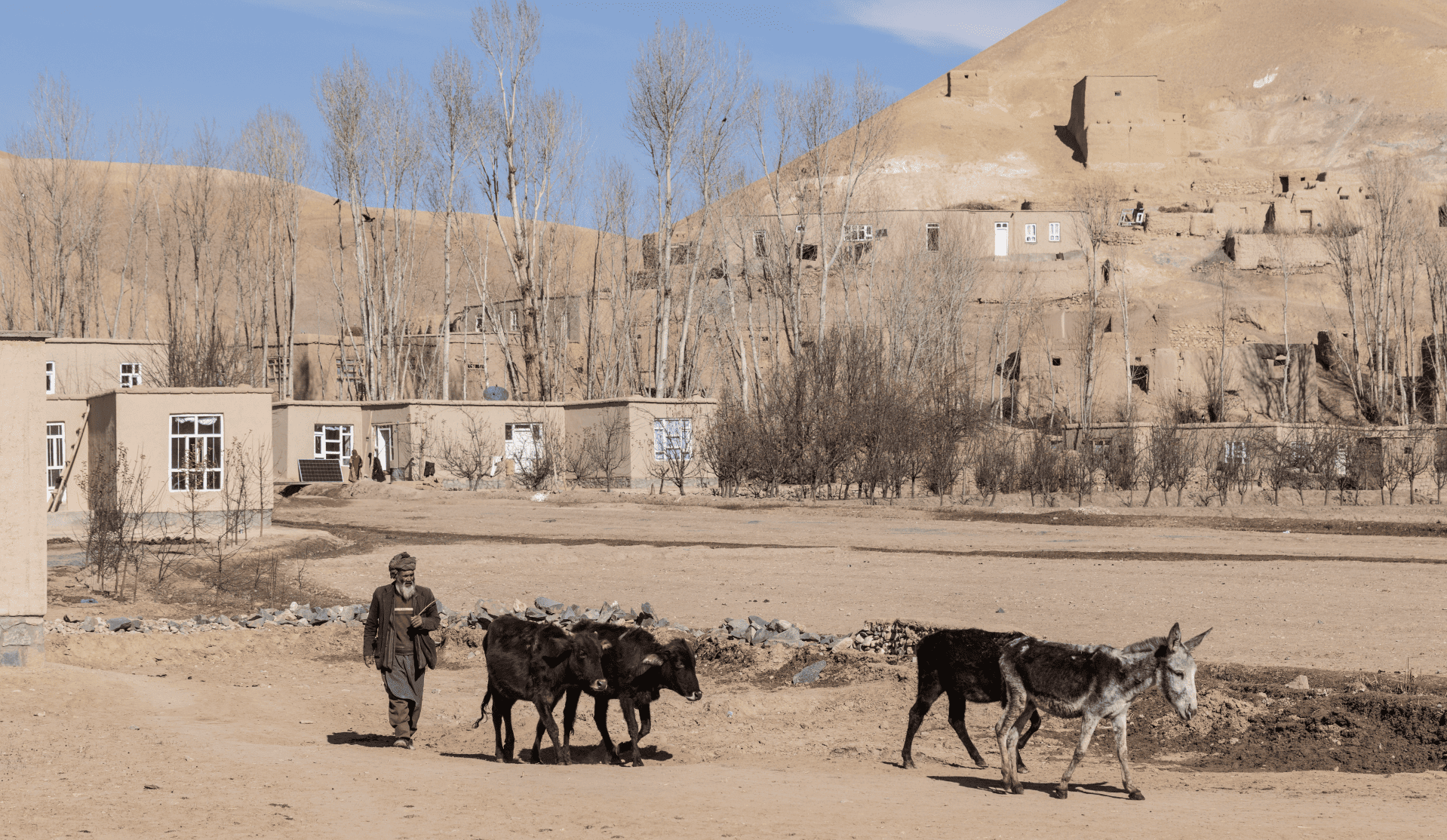
Economic challenges, poor governance, and exposure to climate change-induced natural disasters have resulted in Afghanistan lacking important infrastructure and basic services. Afghanistan’s majority rural population lacks access to clean drinking water, hygiene and health facilities, basic education, and roads.
In 2023, Afghanaid worked with its partners to expand community infrastructures and provide emergency water, sanitation and hygiene (WASH) services.
Afghanaid and our partner organisations worked to improve roads and irrigation systems and by undertaking this work through cash for work and social grants we simultaneously provided income for the most vulnerable families.
To strengthen communities' knowledge and capacity, we trained over 1 million people, in topics ranging from hygiene promotion to disaster and risk preparedness. In the northern regions of Afghanistan, we implemented water infrastructure projects, reducing the risk of waterborne disease. We also established WASH committees for the long-term maintenance of infrastructures and community resilience.
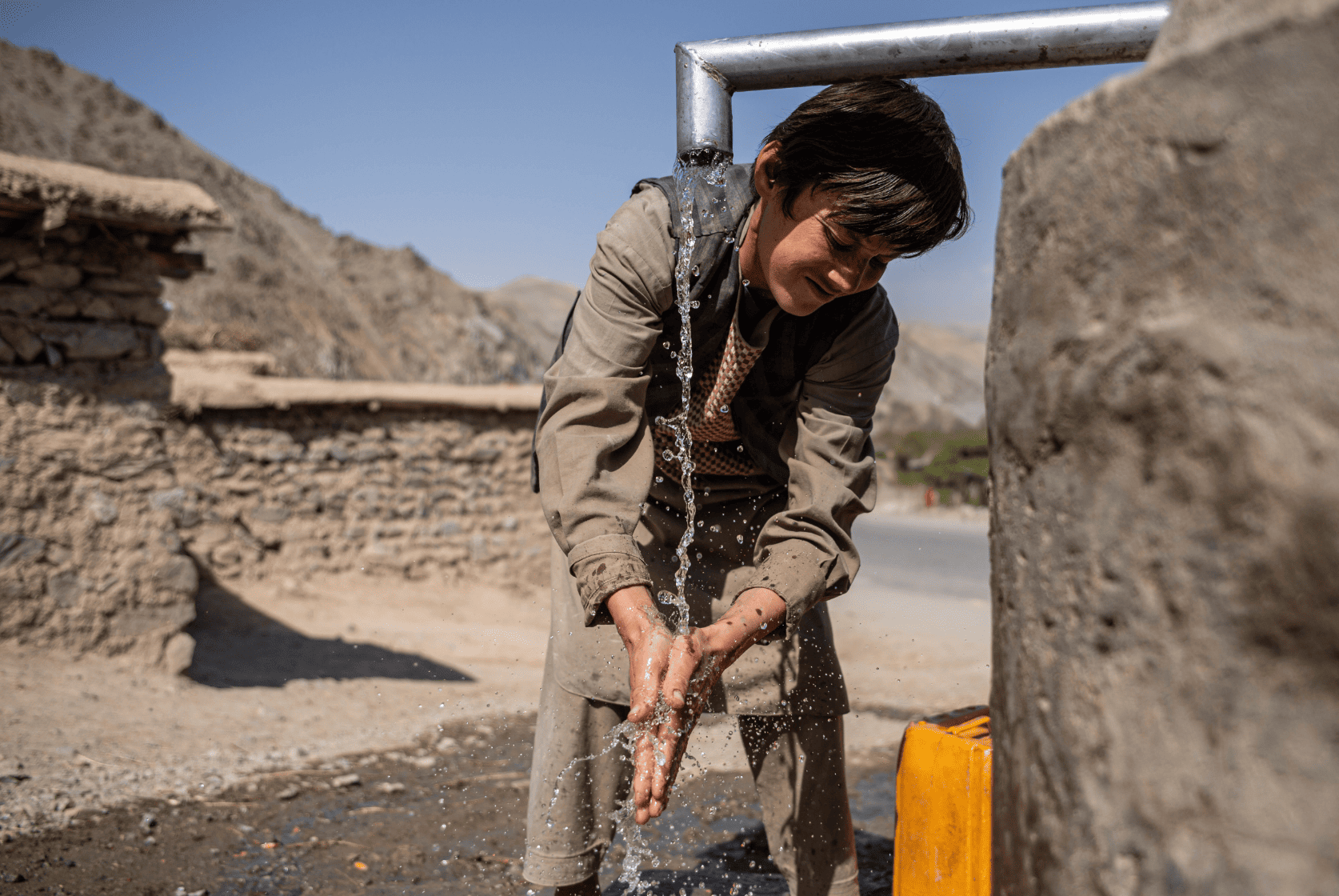
Hygiene promotion has always been one of Afghanaid's major projects.
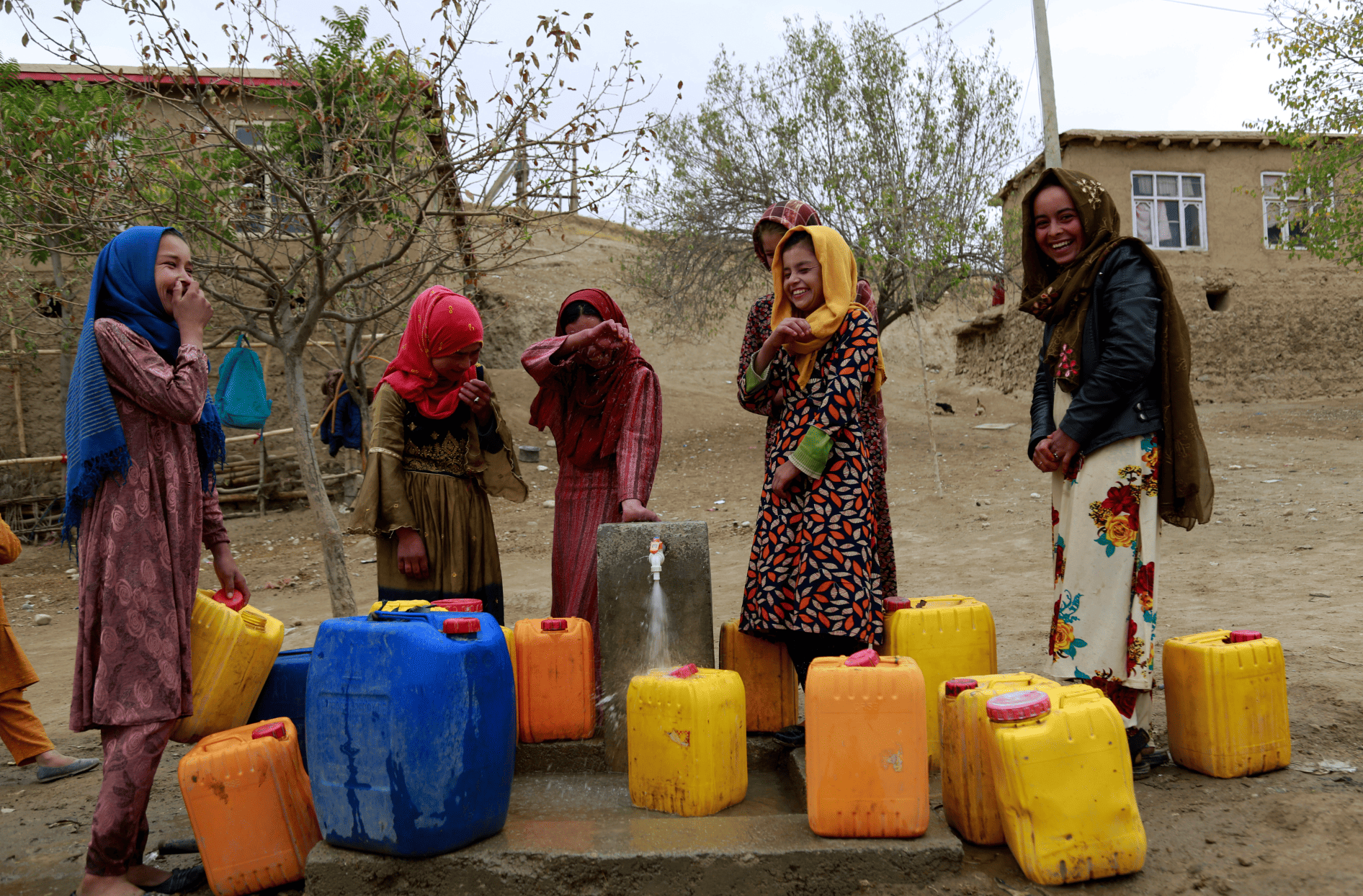
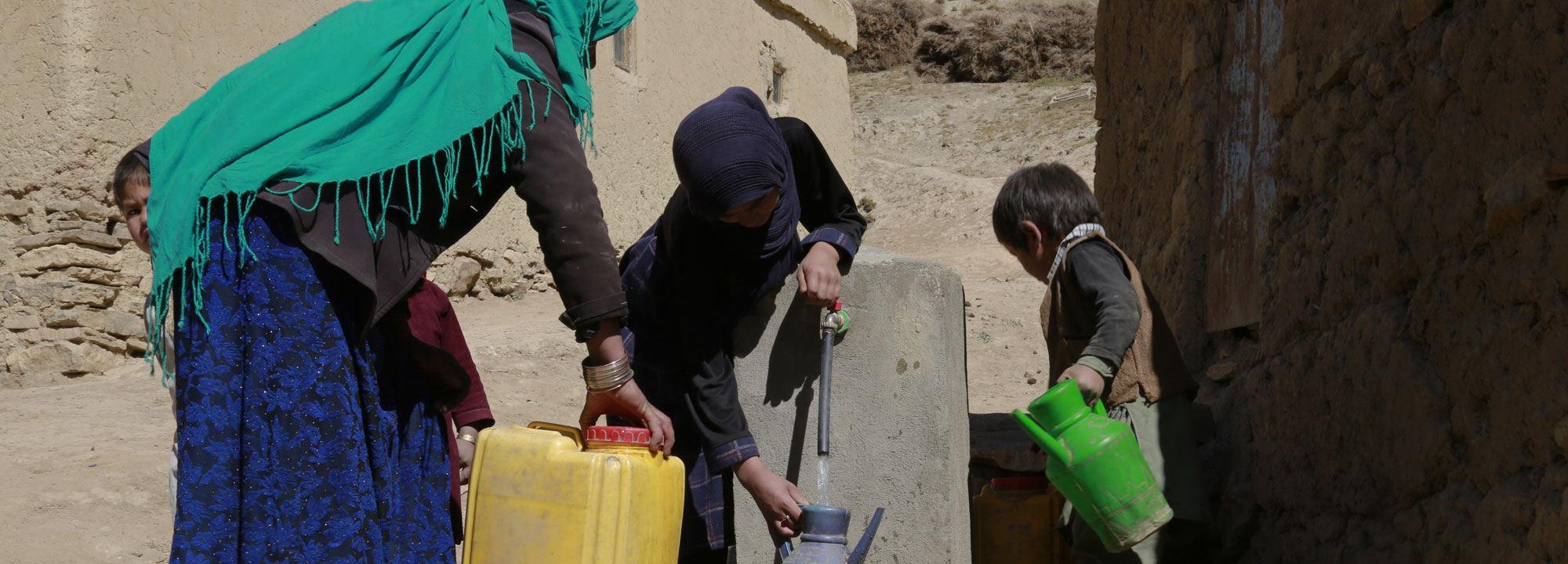
A group of girls using a newly installed water tap.
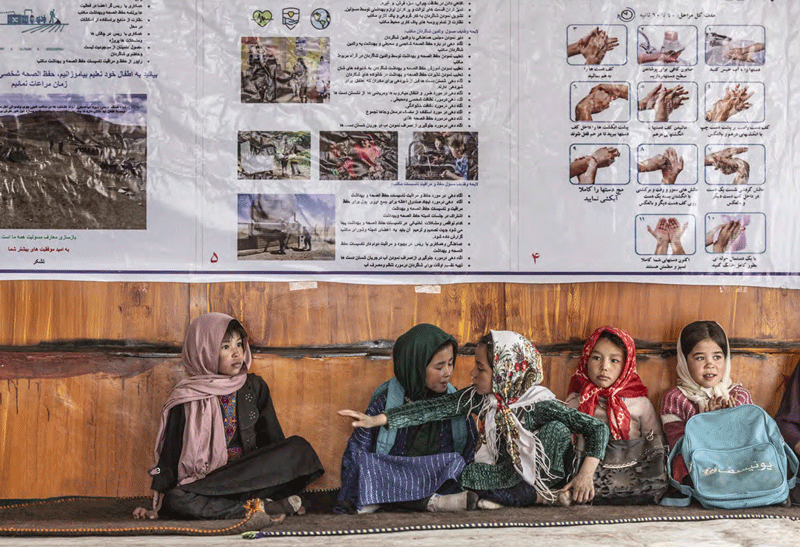
Girls taking part in a WASH class. (Image: Richard Pohle, The Times)