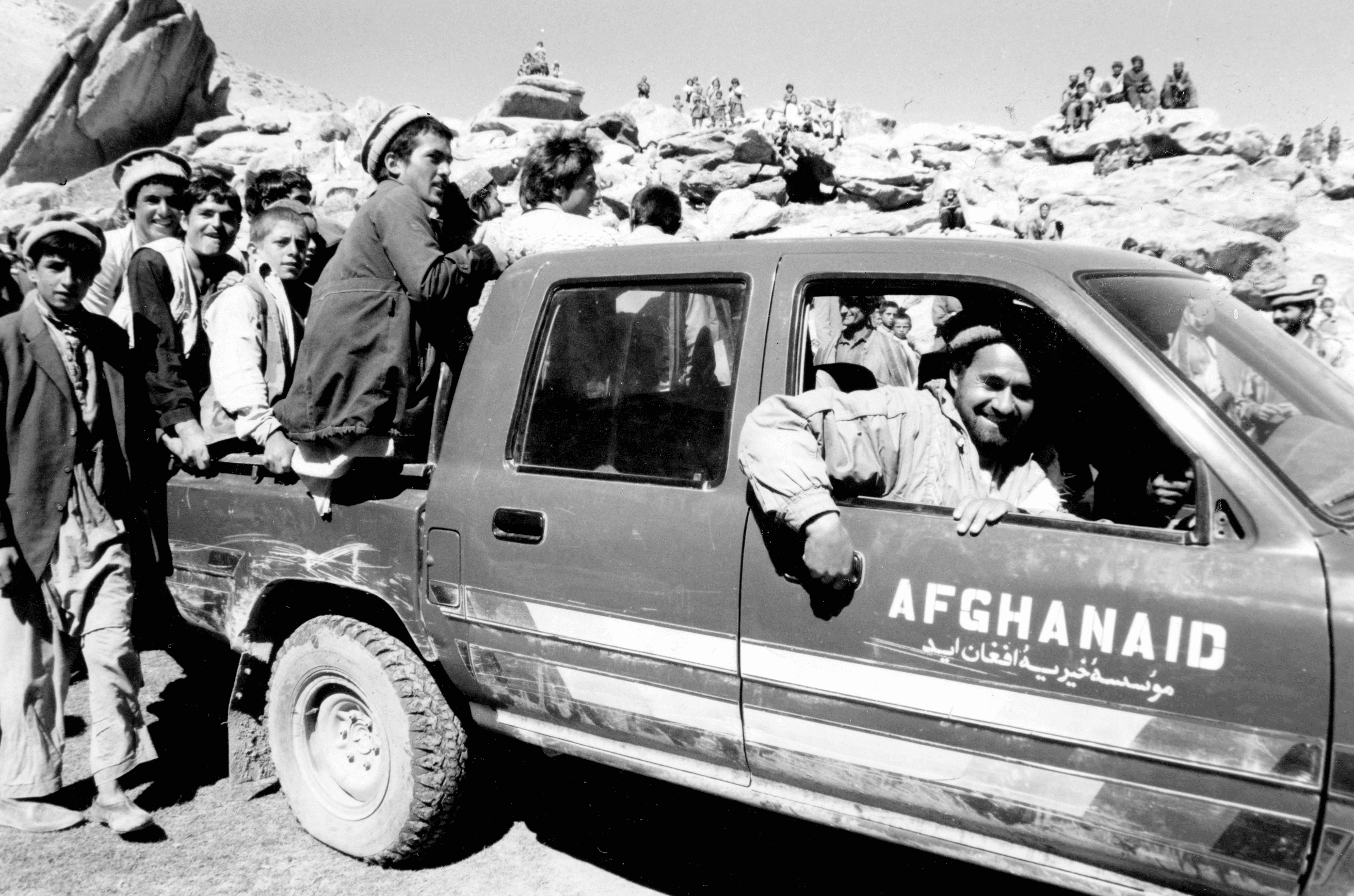

Established in Britain in 1983 to serve the needs of the people of Afghanistan fleeing war following the invasion by the Soviet Union, Afghanaid has since become one of the longest-serving, most widely respected NGOs in the country.
Today, Afghanaid’s dedicated personnel work in some of Afghanistan’s most remote and inaccessible areas, serving tens of thousands of families at risk of exclusion and poverty.
The early years
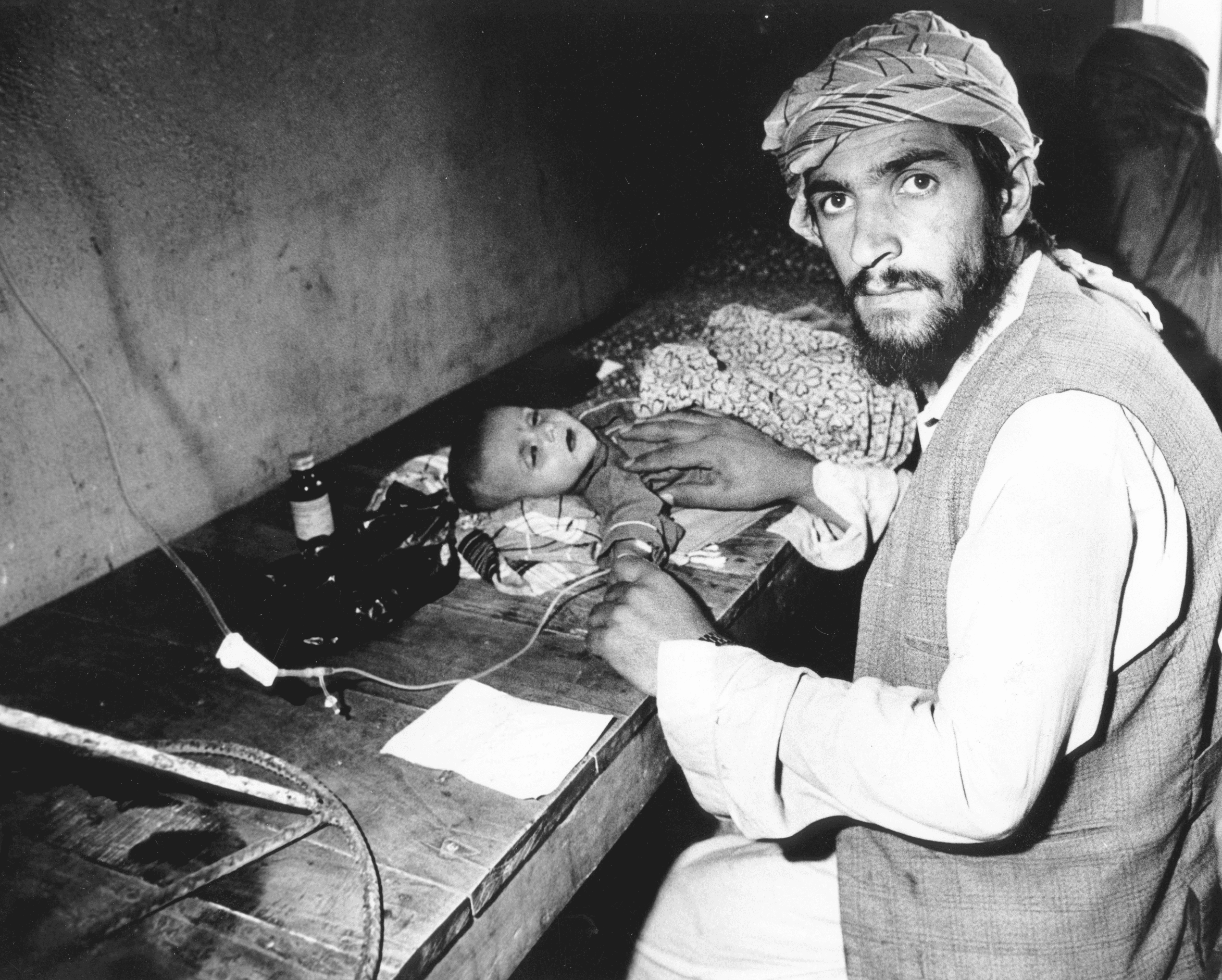
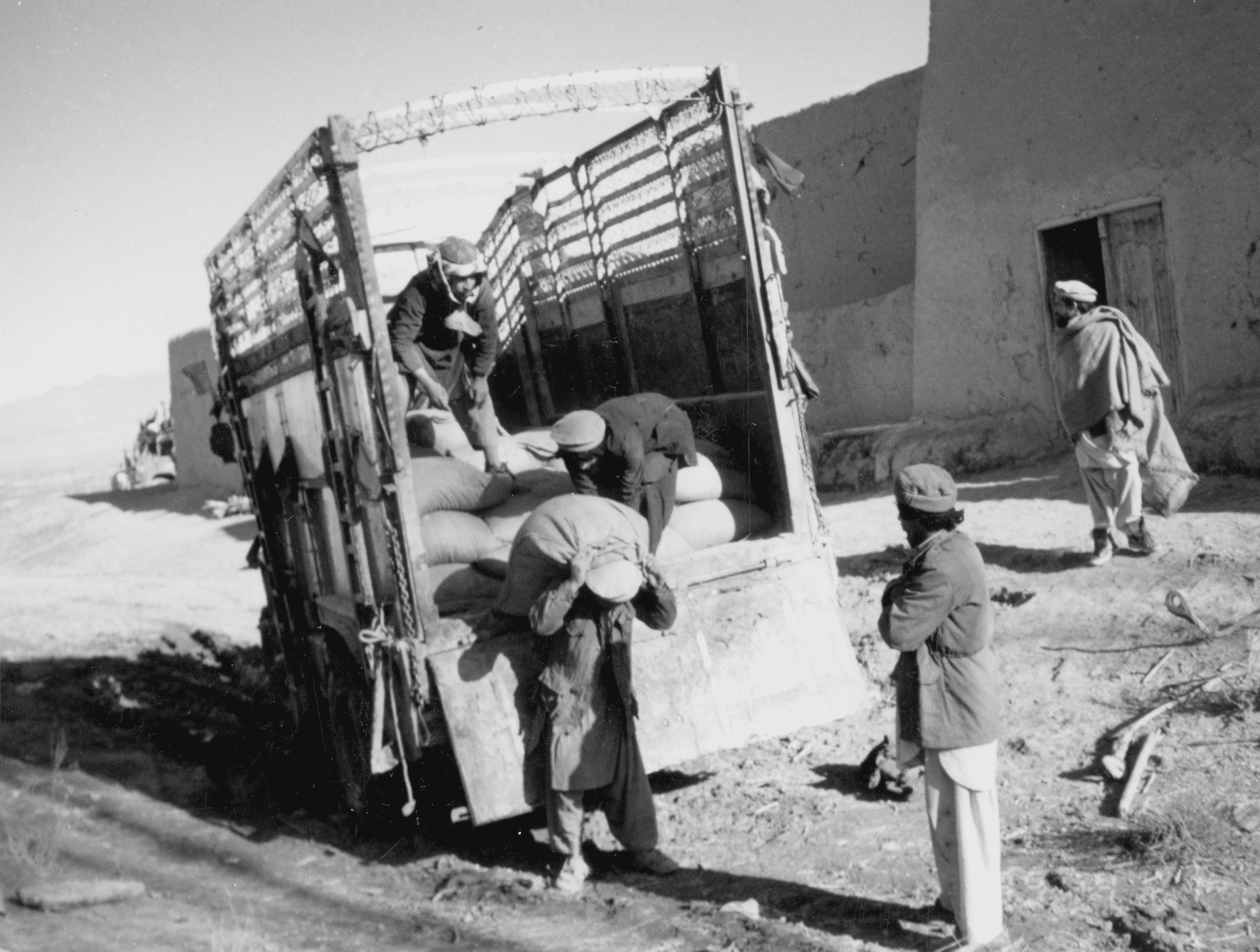
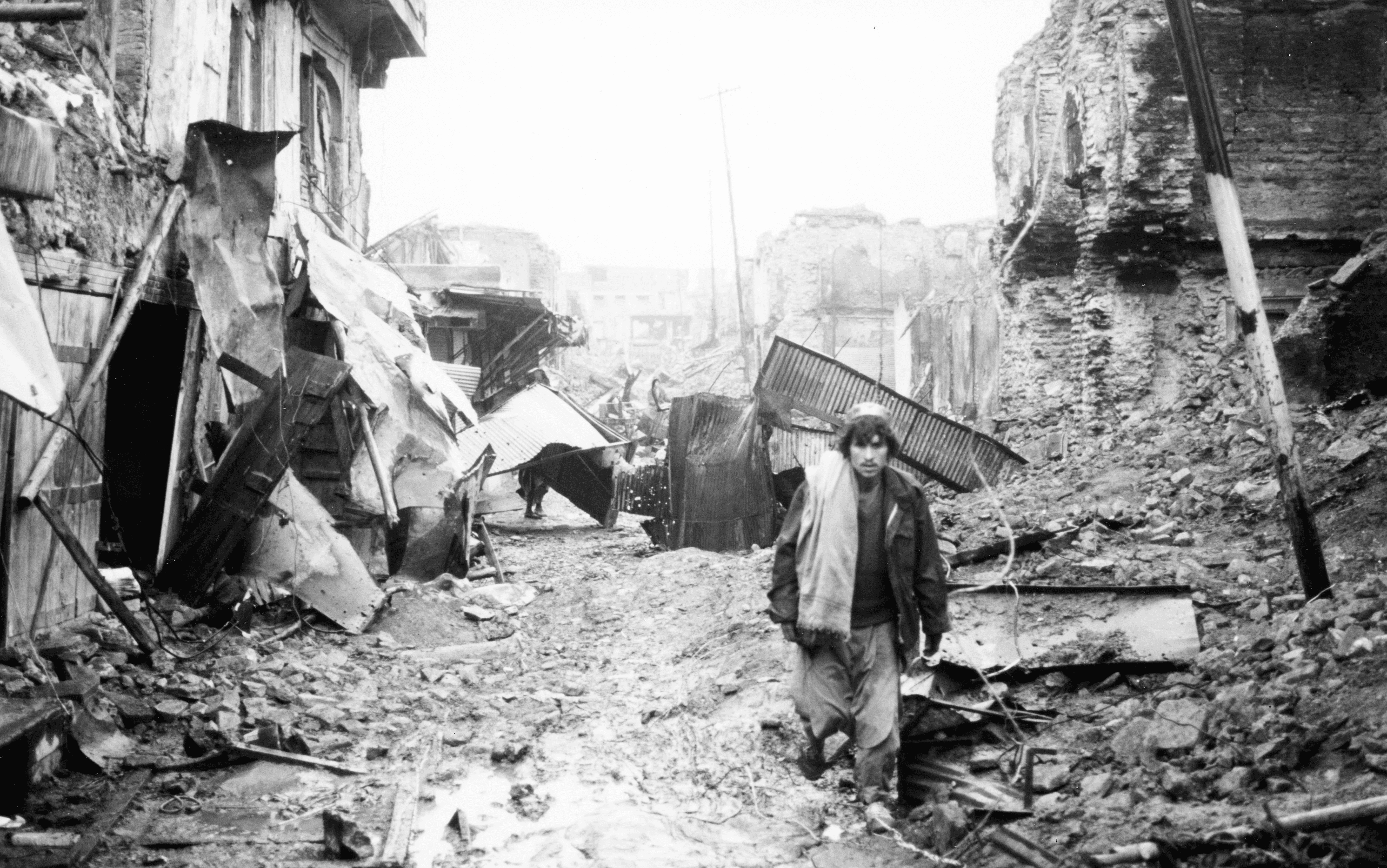
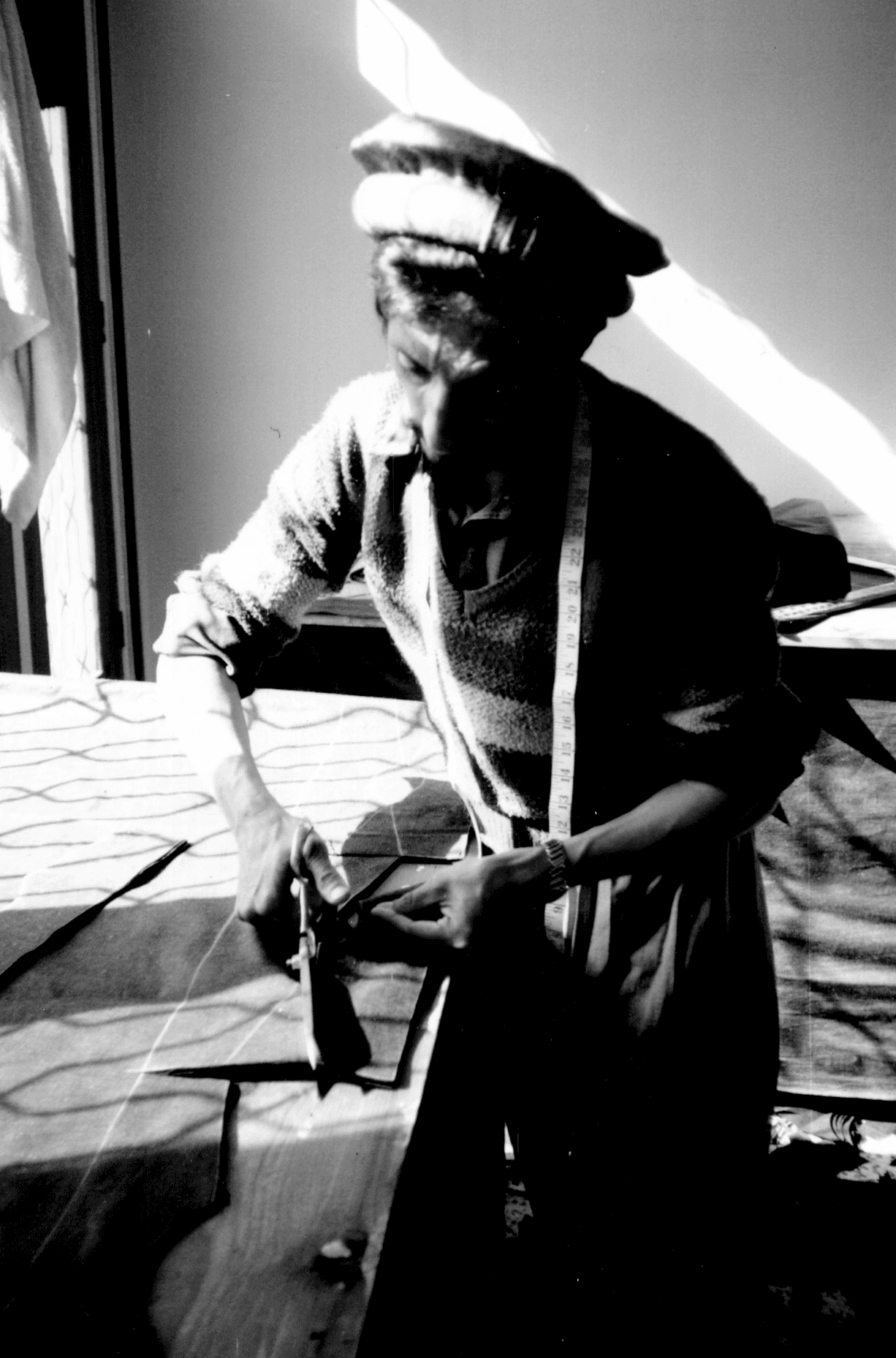
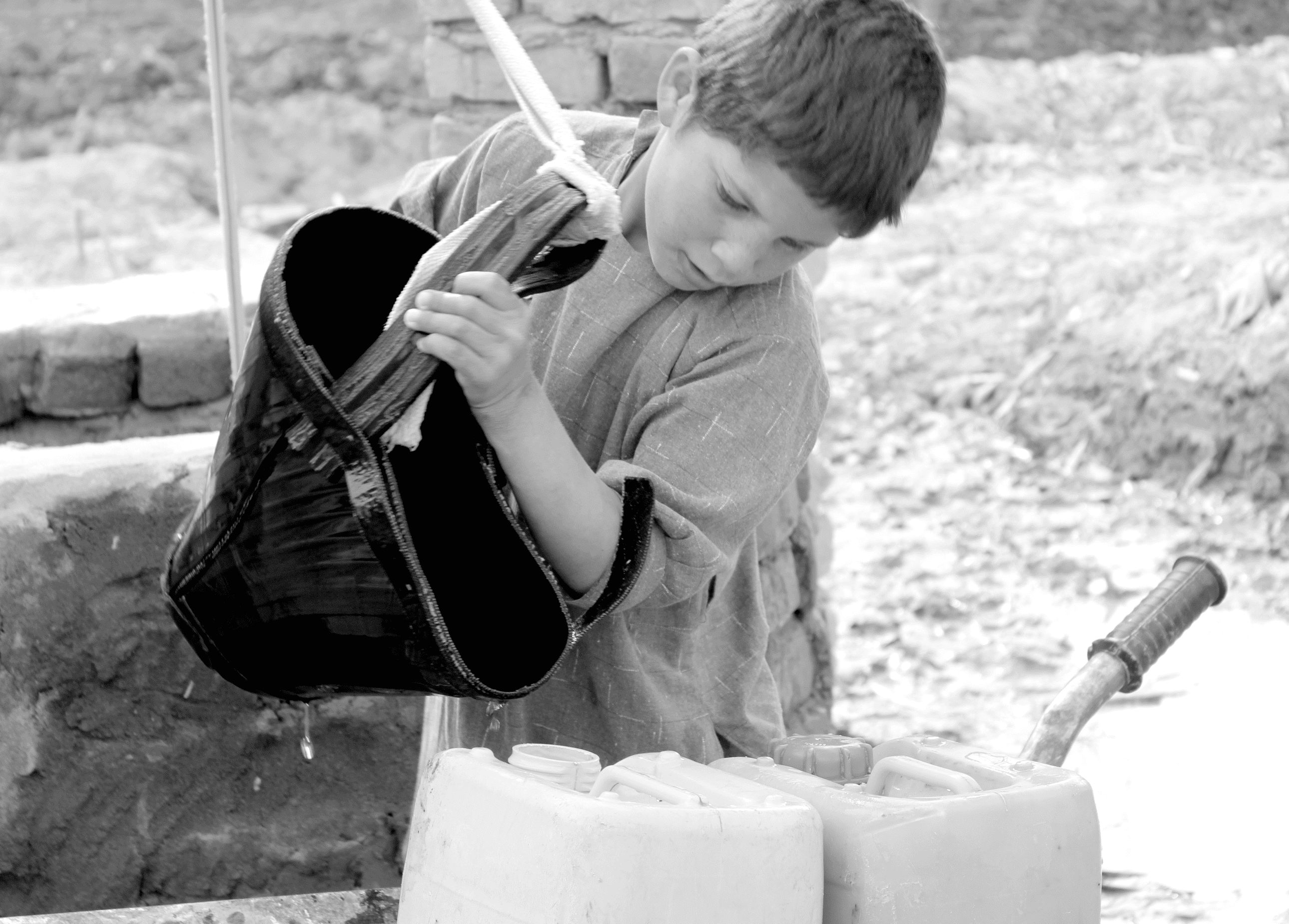
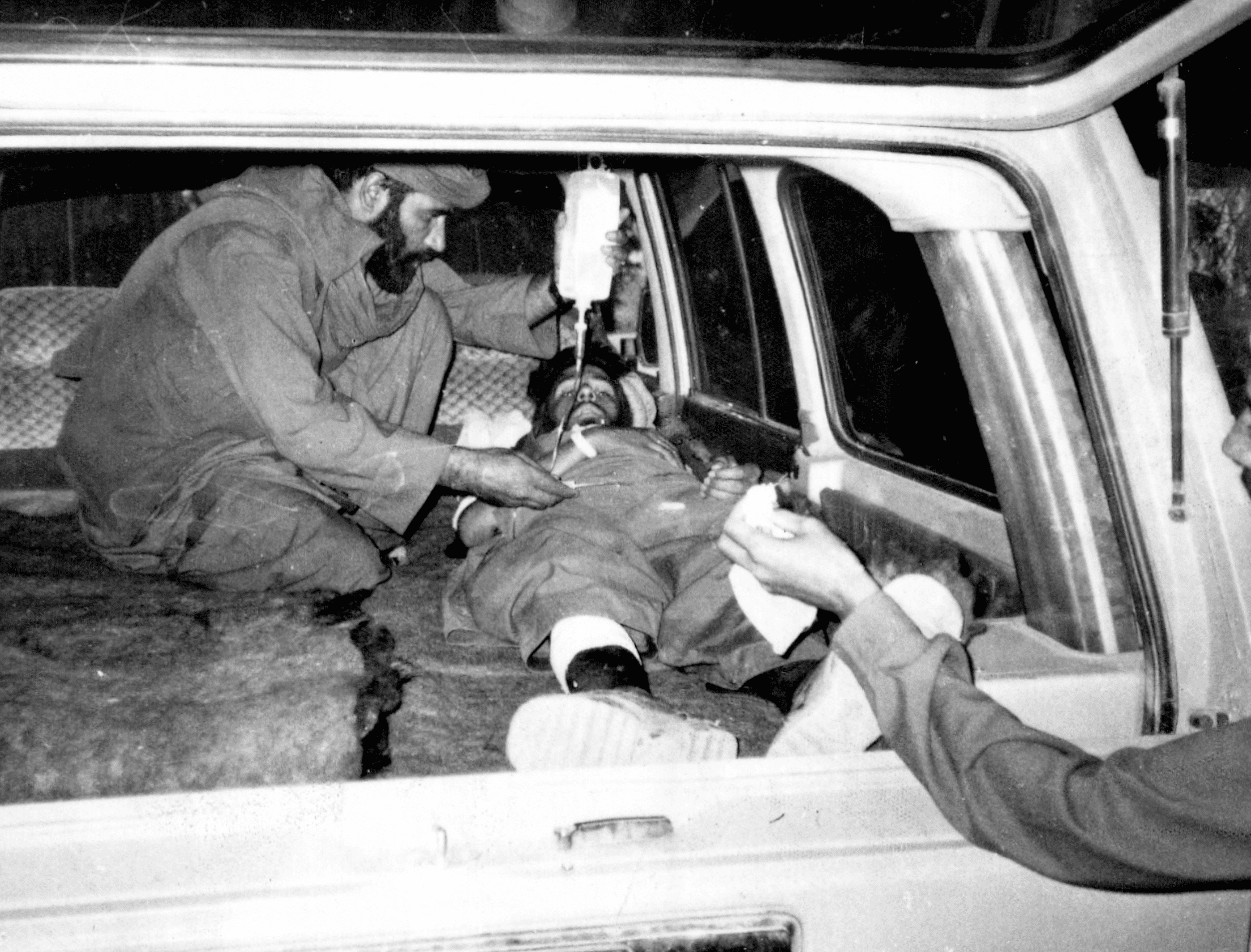
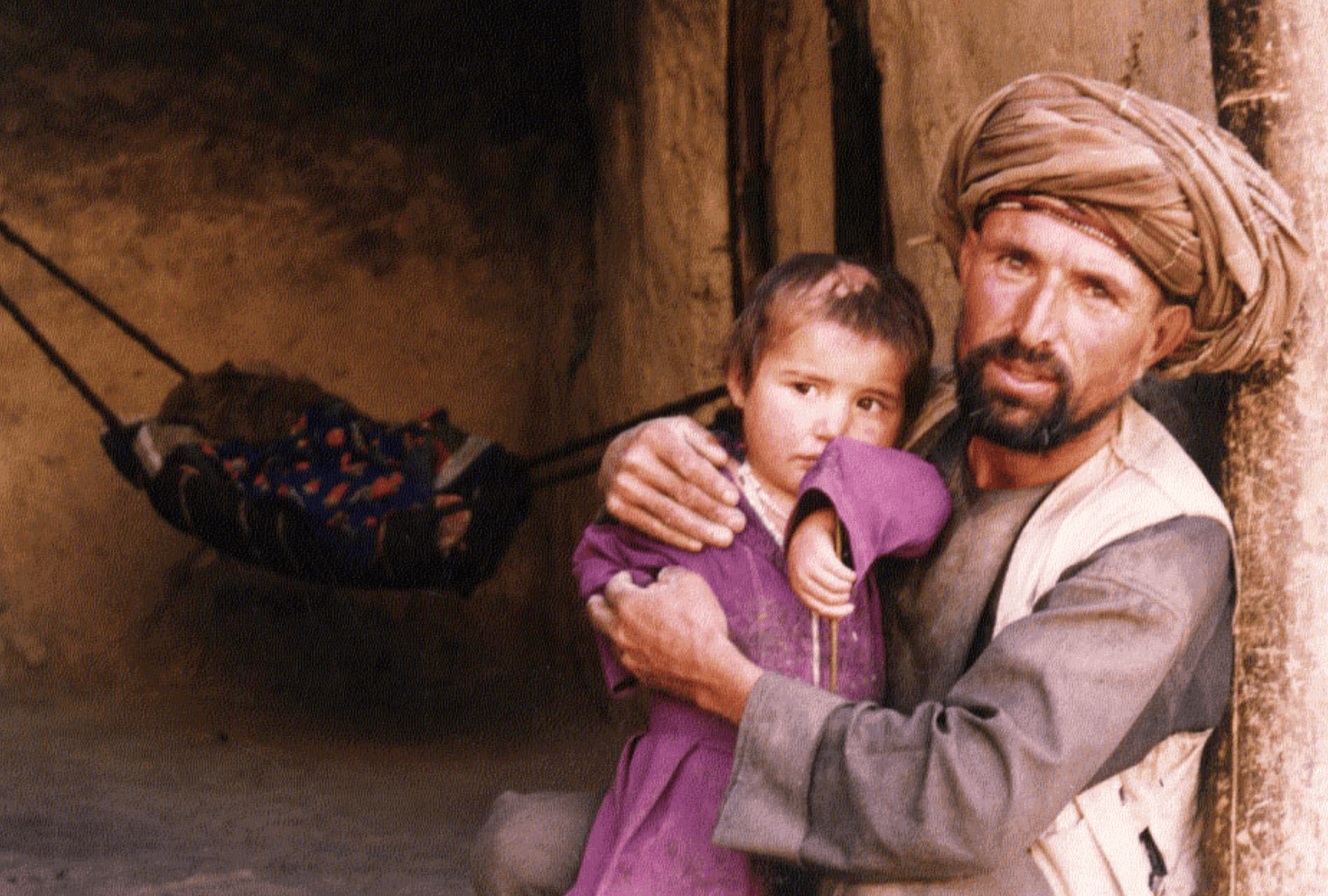
In the early years, from our initial base in Peshawar, Pakistan, we delivered humanitarian relief to Afghan refugees and, braving conflict in Afghanistan, provided essential services such as delivering food, medical supplies and agricultural and livelihood assistance.
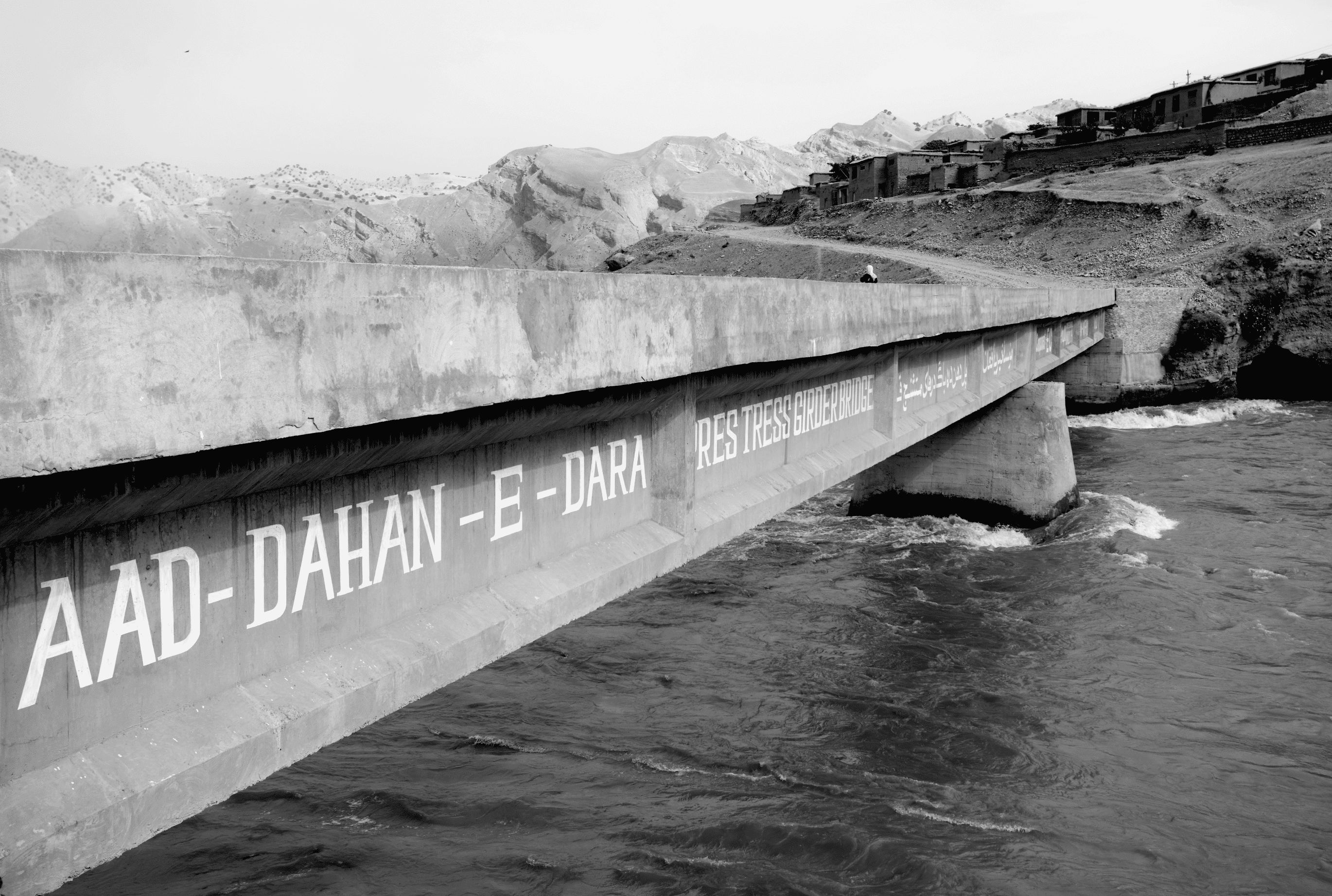
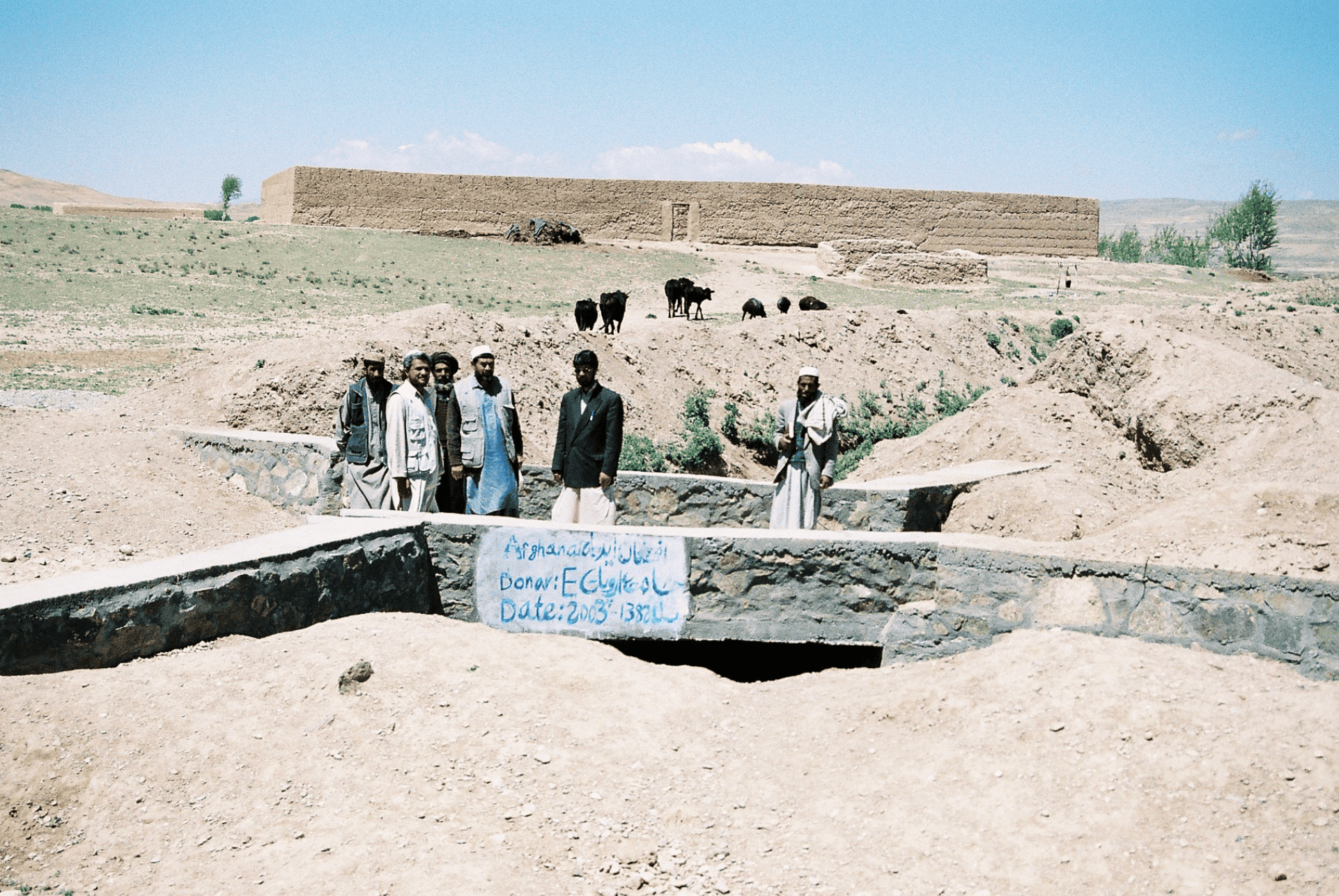
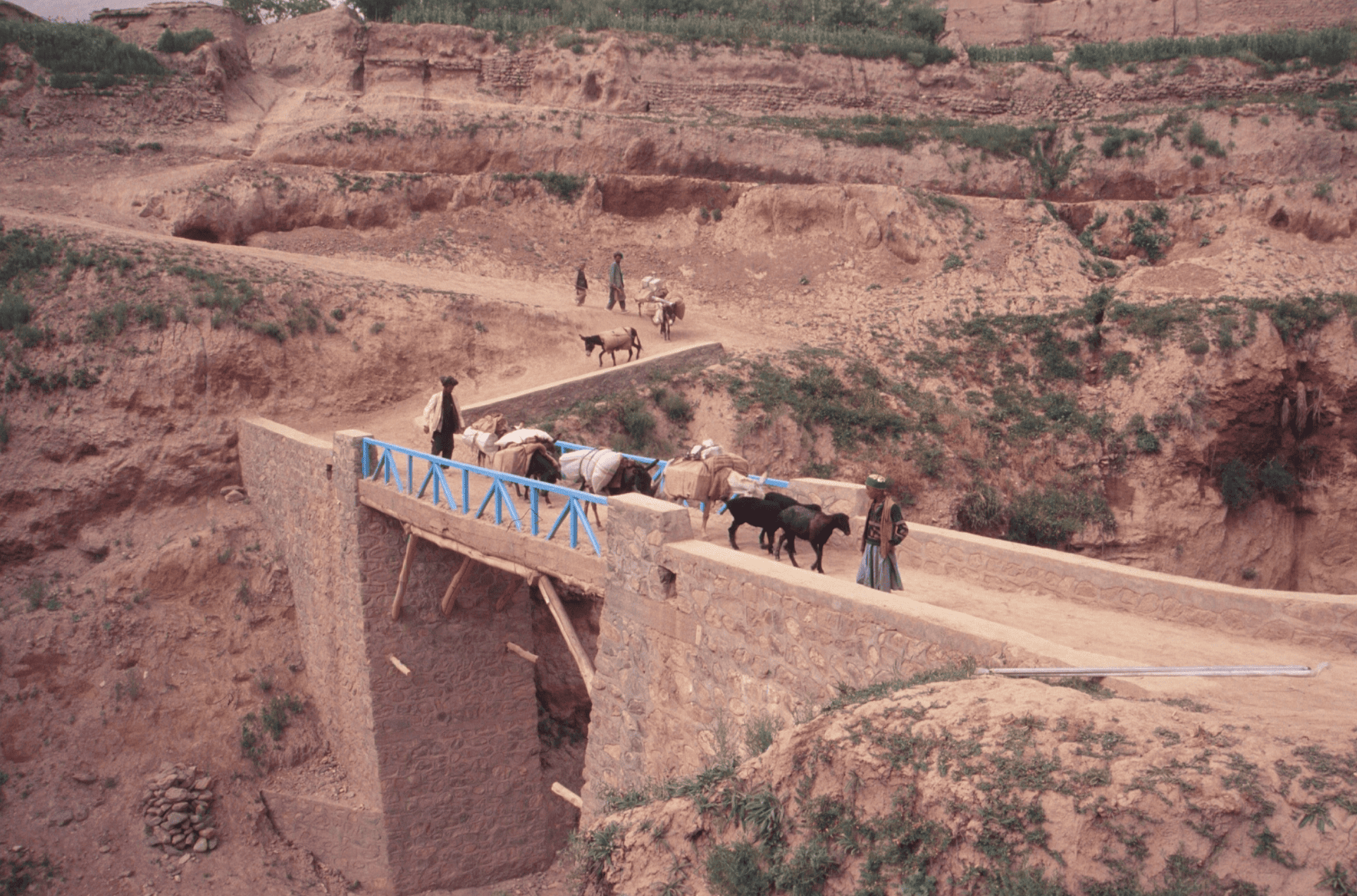
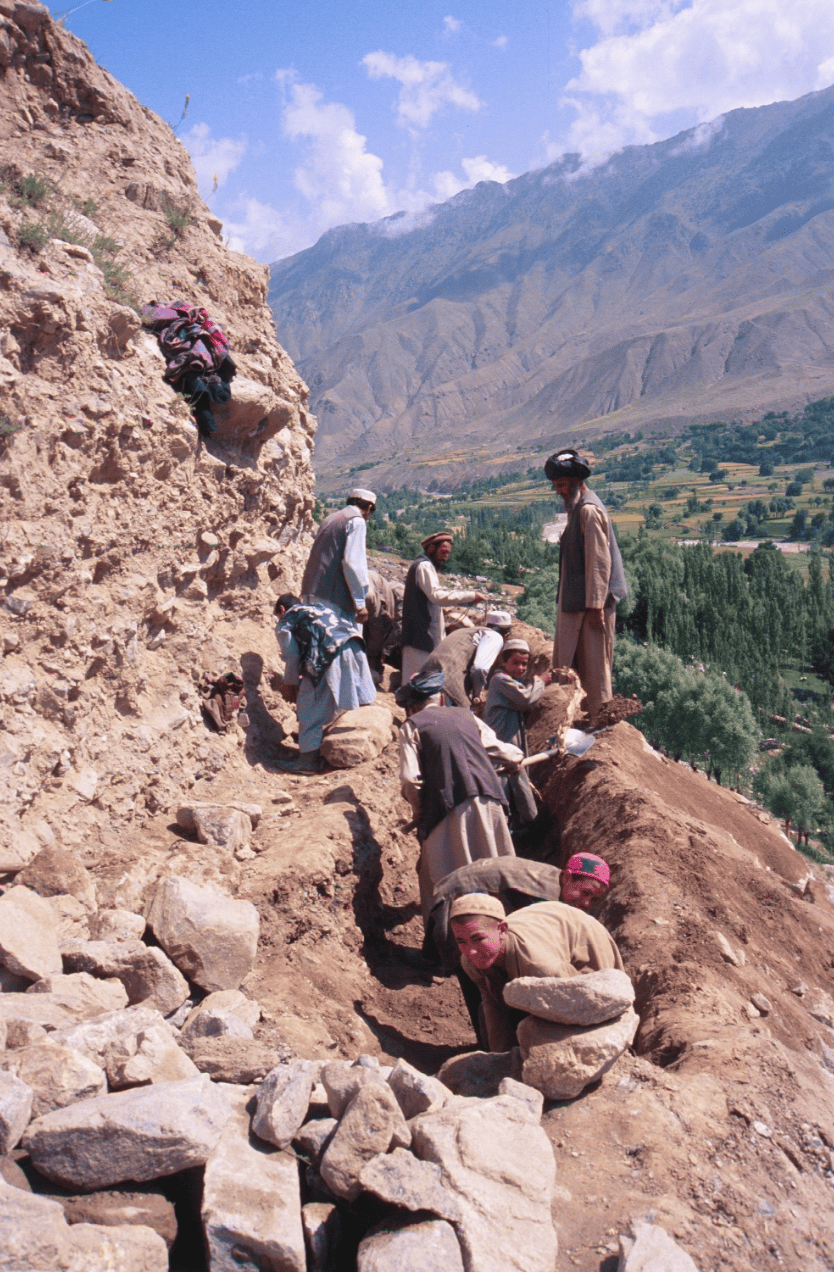
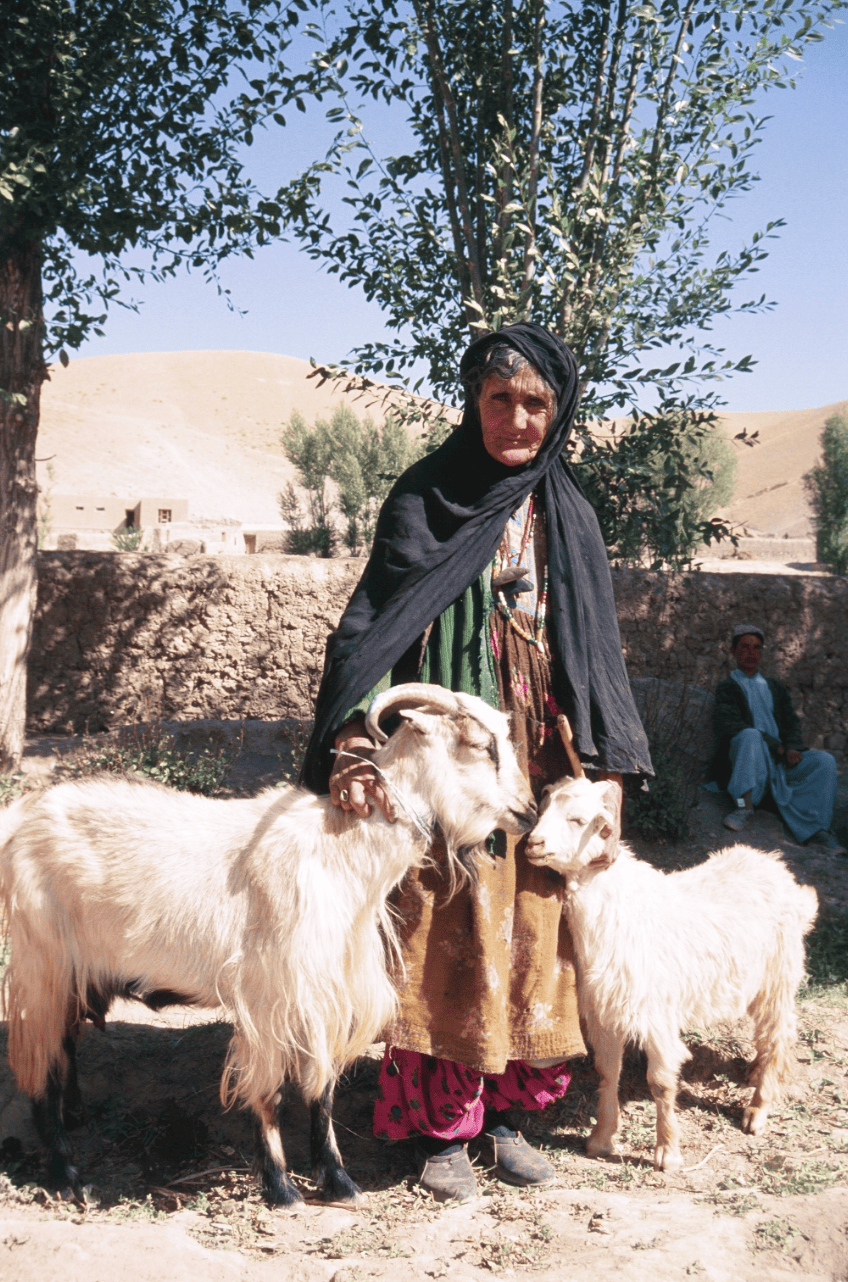
From the early 1990s, Afghanaid shifted the focus of its work in Afghanistan from humanitarian relief to community-focused development to help rural people claim their rights and strengthen community self-reliance. At that time, we became renowned for our community-driven construction and repair of significant infrastructure, such as bridges and roads, as well as our assistance in improving local capacities for food production.
From the early 1990s, Afghanaid shifted the focus of its work in Afghanistan from humanitarian relief to community-focused development to help rural people claim their rights and strengthen community self-reliance. At that time, we became renowned for our community-driven construction and repair of significant infrastructure, such as bridges and roads, as well as our assistance in improving local capacities for food production.
Moving the head office from Peshawar to Kabul in 2003 enabled Afghanaid to work more closely with the Afghan government and local stakeholders, strengthen the network of offices across the country, and even more effectively meet the needs of families facing the greatest hardships.
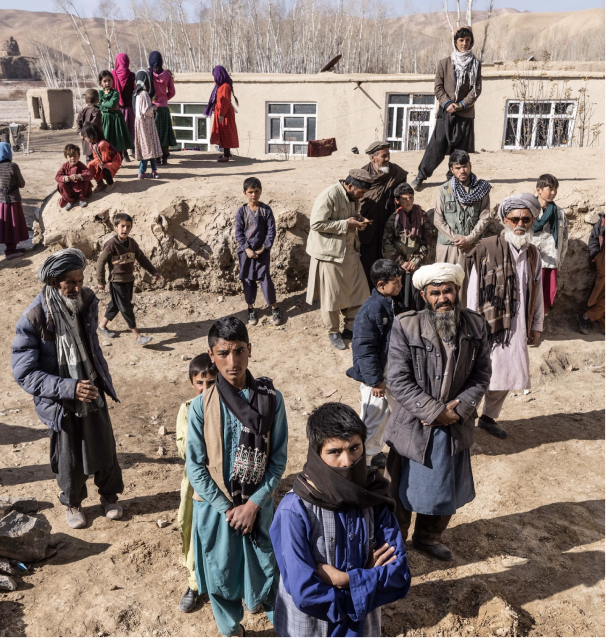
In the 2020s, the situation in Afghanistan shifted again, with drought affecting the country in three of the past four years and intensification of the conflict leading up to the Taliban’s return to power in 2021.
This has been followed by the withdrawal of much of the longer term international development assistance and the freezing of central bank reserves, creating an economic and financial crisis which has combined to force millions more people into extreme poverty and food insecurity.
In response, we expanded the emergency humanitarian relief components of our work, sustaining families through crisis, helping them recover, and supporting them in building long-term resilience.
This has been followed by the withdrawal of much of the longer term international development assistance and the freezing of central bank reserves, creating an economic and financial crisis which has combined to force millions more people into extreme poverty and food insecurity.
In response, we expanded the emergency humanitarian relief components of our work, sustaining families through crisis, helping them recover, and supporting them in building long-term resilience.
where we are now
Afghanaid’s head office is located in Kabul. In 2022, we worked directly in Daykundi, Ghor, Samangan, and Badakhshan provinces, implemented projects through partners in Khost, Paktia, Takhar, Bamyan, Sai Pul, Jawzjan, Balkh, Faryab and Herat. We also maintained our small but dynamic Communications and Fundraising Office in London, United Kingdom.
At the end of 2022, Afghanaid employed 775 people. This figure included 14 international staff based in Kabul and seven staff in London. In total, 33% of our staff were female.
During 2022, we took stock of the changed situation and rolled out a new strategy and five-year plan, which reaffirmed our four main programme pillars, that is: providing essential basic services for all; supporting communities to adapt to the ravages of climate change and reduce their exposure to disasters; promoting economic opportunities, sustainable livelihoods and food security; and assisting when humanitarian crises strike.
Additionally, through all our projects, we pay special attention to gender and inclusion, good governance and community development, and conflict mitigation and peace-building.
During 2022, we took stock of the changed situation and rolled out a new strategy and five-year plan, which reaffirmed our four main programme pillars, that is: providing essential basic services for all; supporting communities to adapt to the ravages of climate change and reduce their exposure to disasters; promoting economic opportunities, sustainable livelihoods and food security; and assisting when humanitarian crises strike.
Additionally, through all our projects, we pay special attention to gender and inclusion, good governance and community development, and conflict mitigation and peace-building.
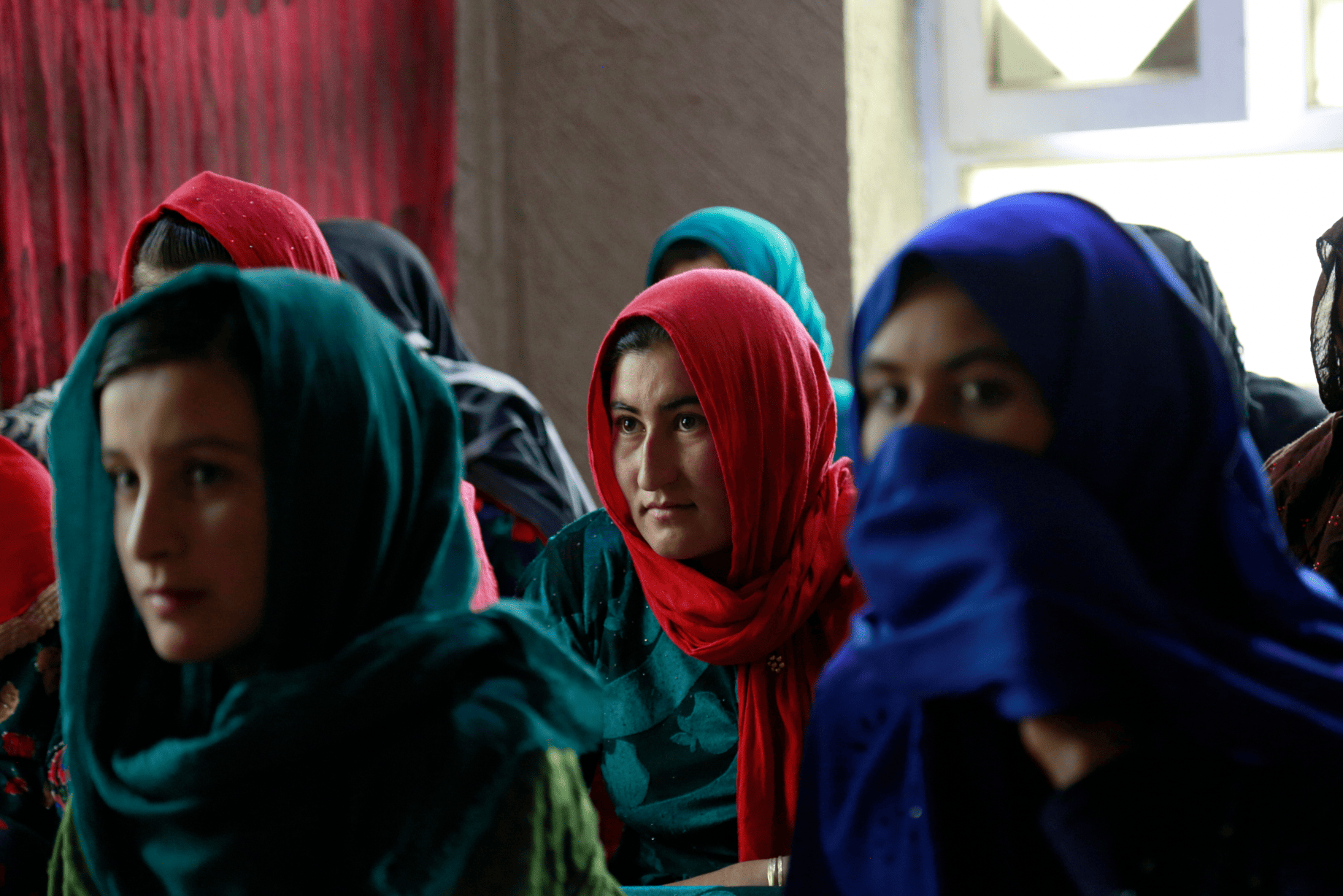
delivering Basic services for all
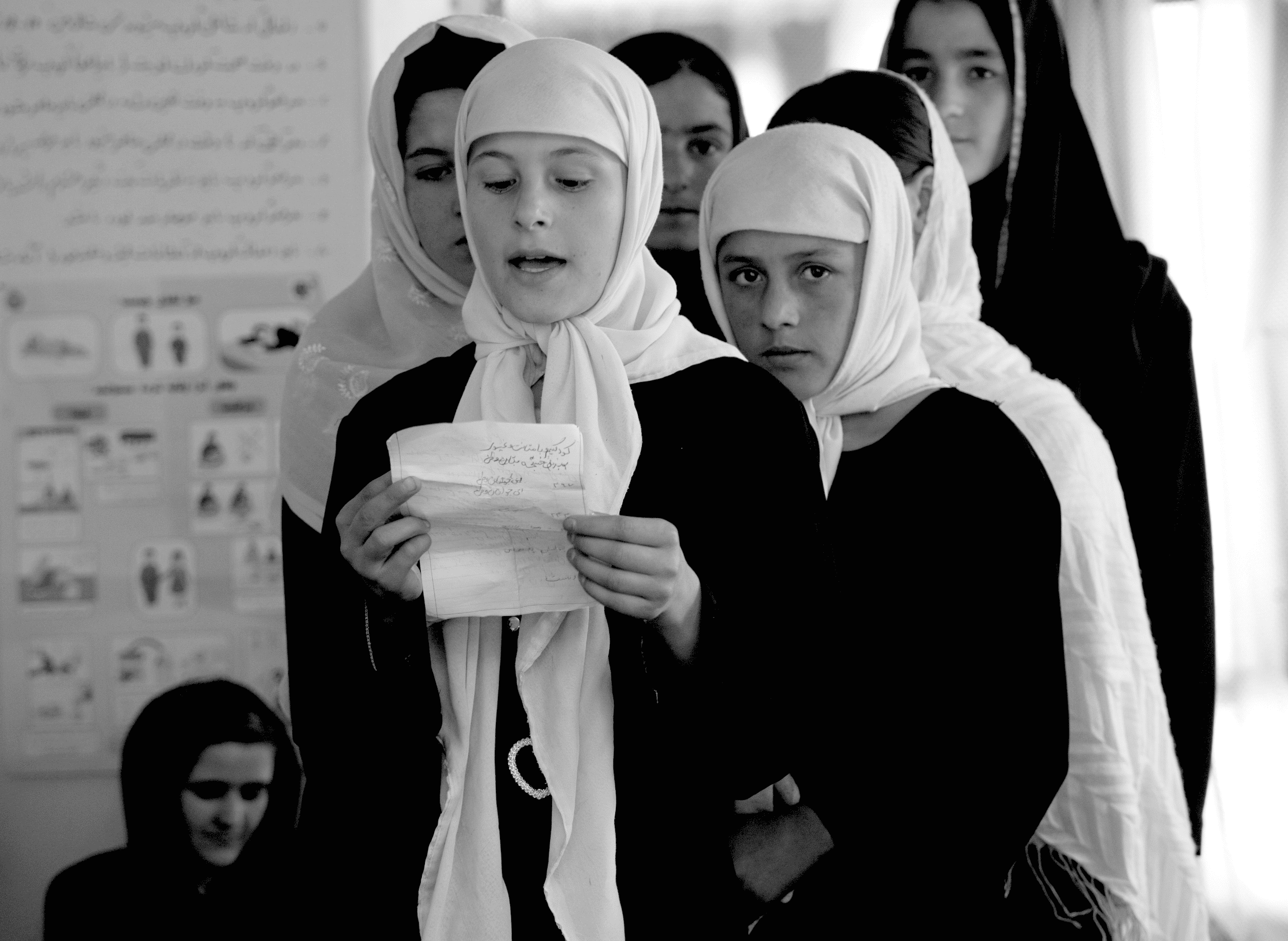
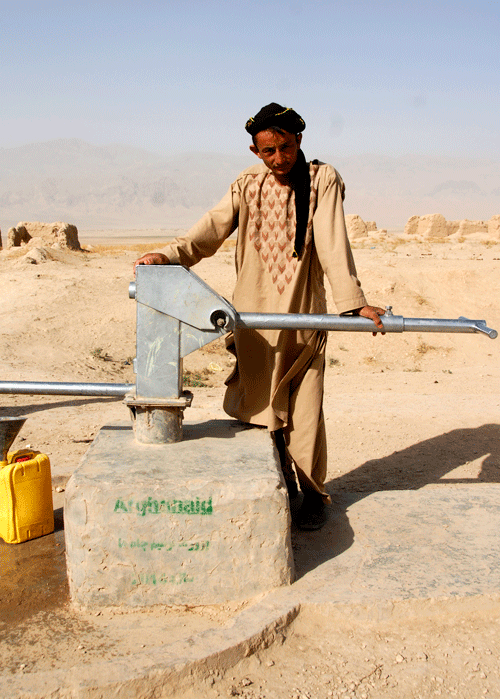
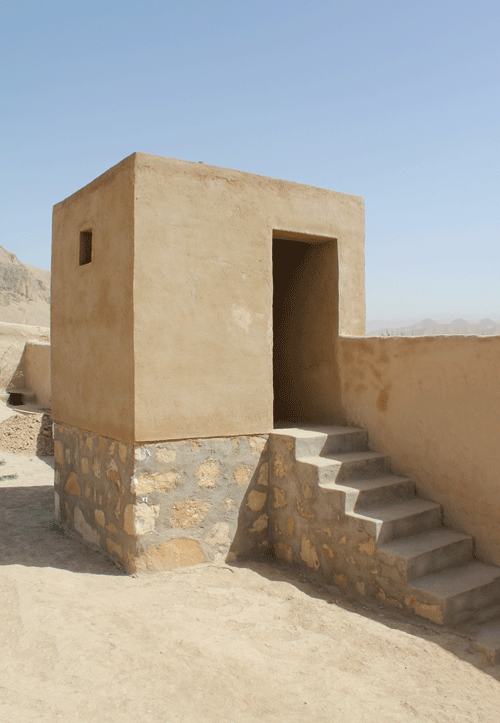
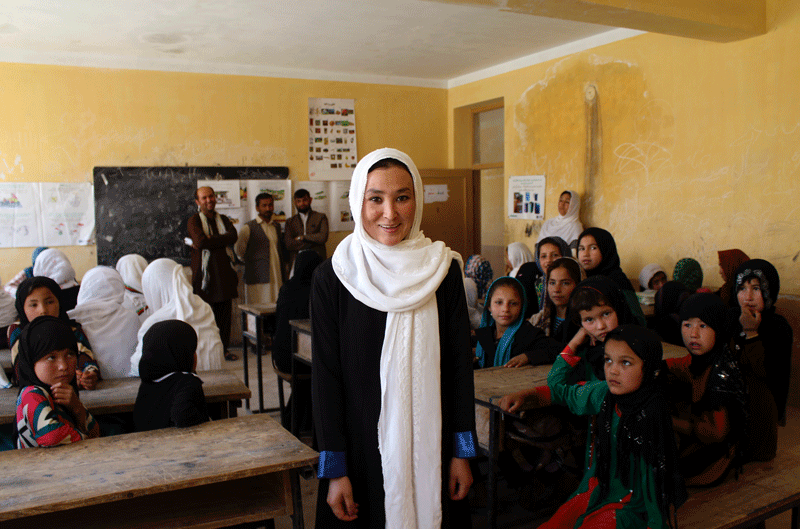
We deliver basic services for all, including constructing community infrastructure such as wells, reservoirs and pipe systems that provide clean drinking water; constructing latrines and raising communities’ awareness of good hygiene practices; installing micro-hydro power plants to bring electrical power to villages for the first time; constructing roads that give remote villages access to medical services, schools and markets; and building and equipping schools, making it possible for boys and girls to receive an education in a safe environment.
Adapting to the impacts of climate change
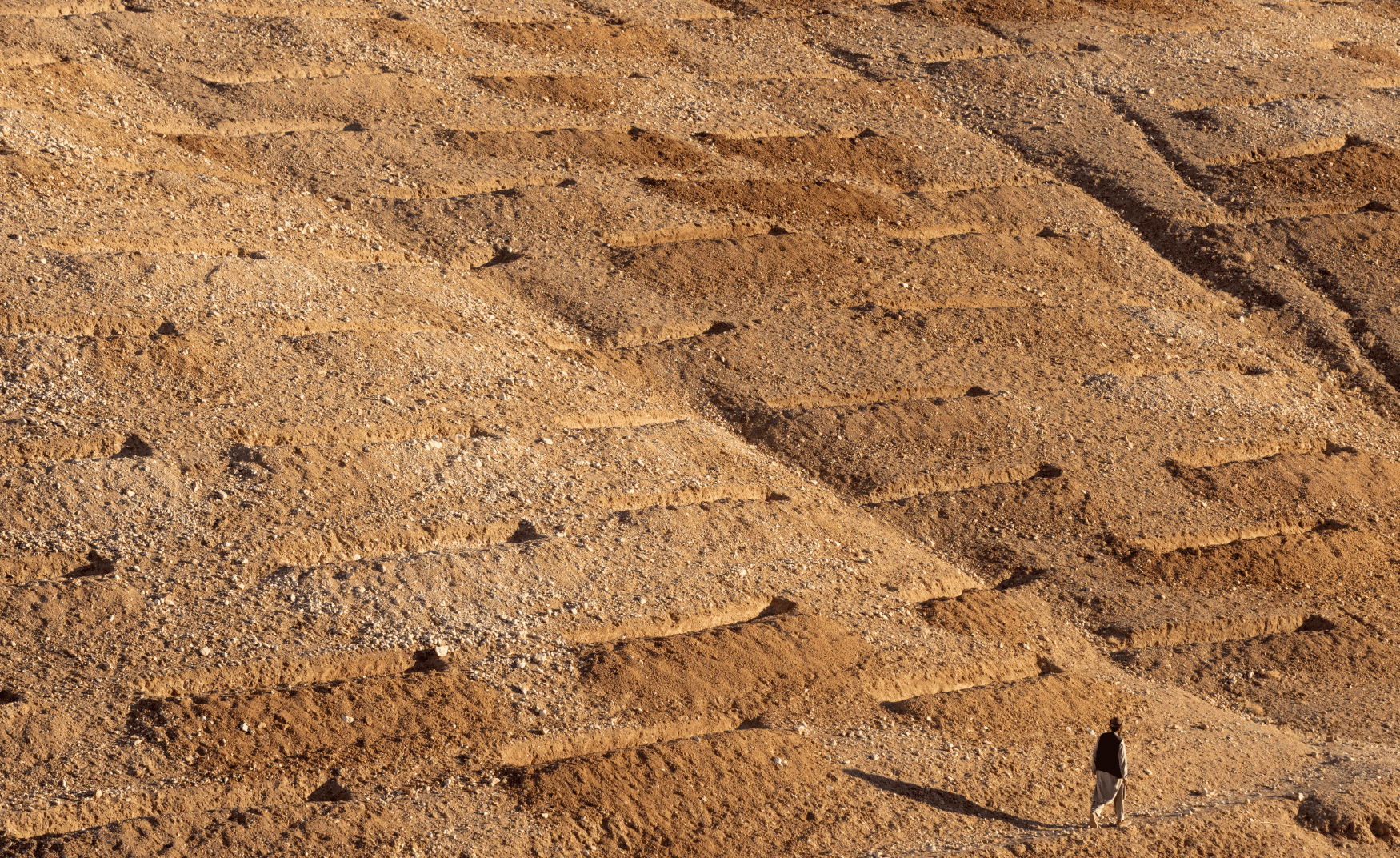
Our climate change adaptation and disaster risk reduction work involves creating water, forest and rangeland management associations and providing inputs for communities to conserve and manage their natural resources such as water, forests, and rangelands and adapt to the impacts of climate change: preventing deforestation, overgrazing and erosion and improving soil quality on irrigated and rainfed land.
This work also entails working with communities to assess hazards and providing them with the training and support they need to take pre-emptive actions to mitigate disasters, and strengthening communities’ capacities to effectively respond to and manage disasters when they occur.
This work also entails working with communities to assess hazards and providing them with the training and support they need to take pre-emptive actions to mitigate disasters, and strengthening communities’ capacities to effectively respond to and manage disasters when they occur.
improving productivity & incomes
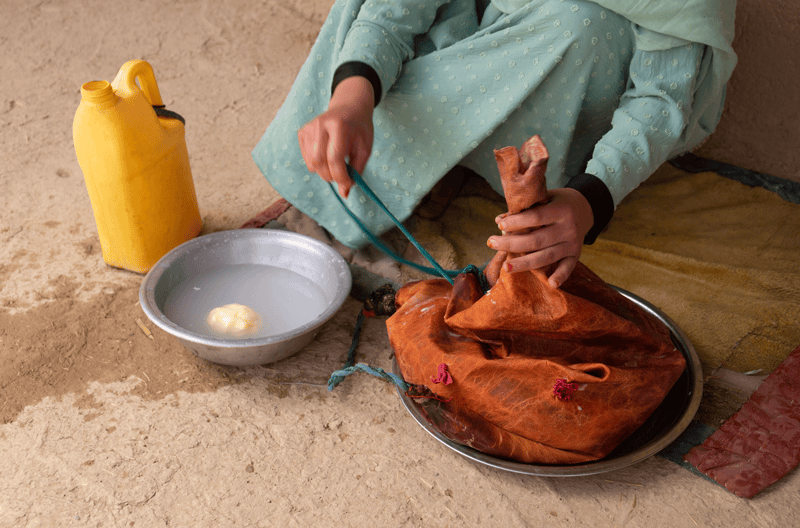
Providing economic opportunities, sustainable livelihoods and food security entails working with farmers and their families to improve agricultural and animal husbandry techniques; providing vocational training and support for small enterprise development, especially among women; and introducing innovations that add value for farmers and entrepreneurs and improving access to markets. All of which lead to improved productivity, incomes, food security and nutrition.
when disaster strikes
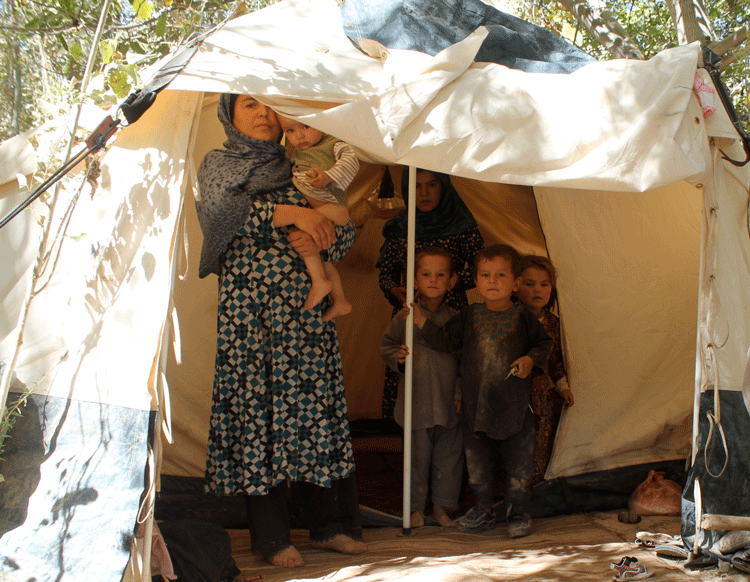
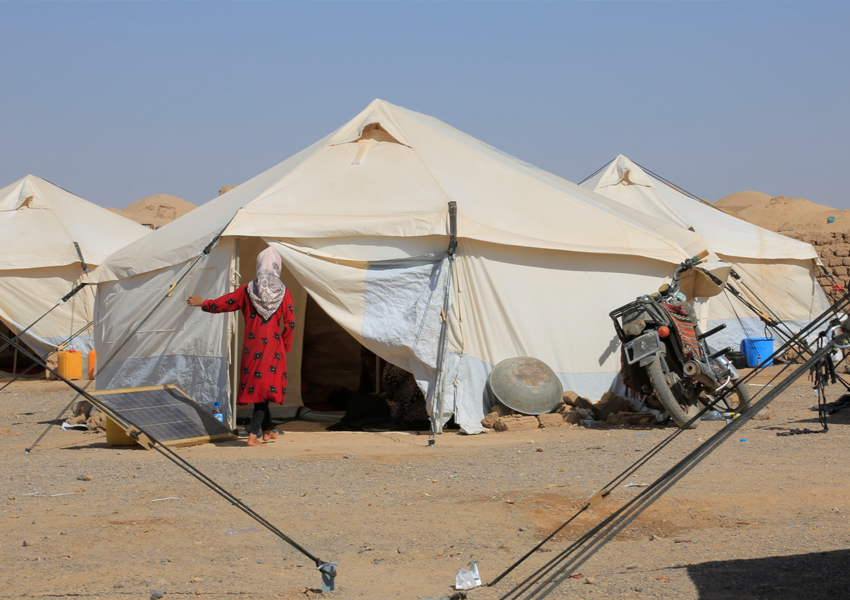
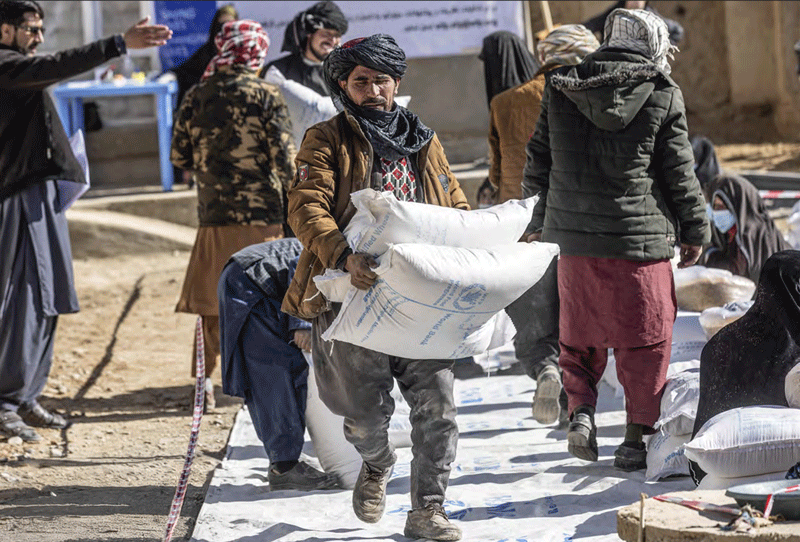
When disaster strikes, we respond immediately with emergency humanitarian assistance, providing food, clean water, shelter, and sanitation, or cash to support these needs both amidst a crisis, or in the aftermath. And once the immediate disaster is over, we assist communities to rebuild their homes, renovate productive land and community infrastructure, and revitalise livelihoods.
ensuring gender inclusivity
Gender and inclusion, good governance and community development, and conflict mitigation and peace-building are central to the sustainability and impact of Afghanaid’s projects and incorporated as cross-cutting themes across all our projects.
These themes occasionally also form the basis of stand-alone projects. Afghanaid believes that working with both men and women is necessary for Afghanistan to achieve political and economic stability.
We work with both sexes in all our projects and ensure that men and women are consulted at every stage of project intervention – from design and implementation, to monitoring and evaluation.
We also work to improve local governance, ensuring that services and development align with the needs and priorities of under-represented communities.
These themes occasionally also form the basis of stand-alone projects. Afghanaid believes that working with both men and women is necessary for Afghanistan to achieve political and economic stability.
We work with both sexes in all our projects and ensure that men and women are consulted at every stage of project intervention – from design and implementation, to monitoring and evaluation.
We also work to improve local governance, ensuring that services and development align with the needs and priorities of under-represented communities.