Despite the reduction in violent conflict, Afghanistan remains acutely vulnerable to the impact of geopolitical turmoil, natural disasters and climate change, and high levels of humanitarian needs are expected to continue into 2024.
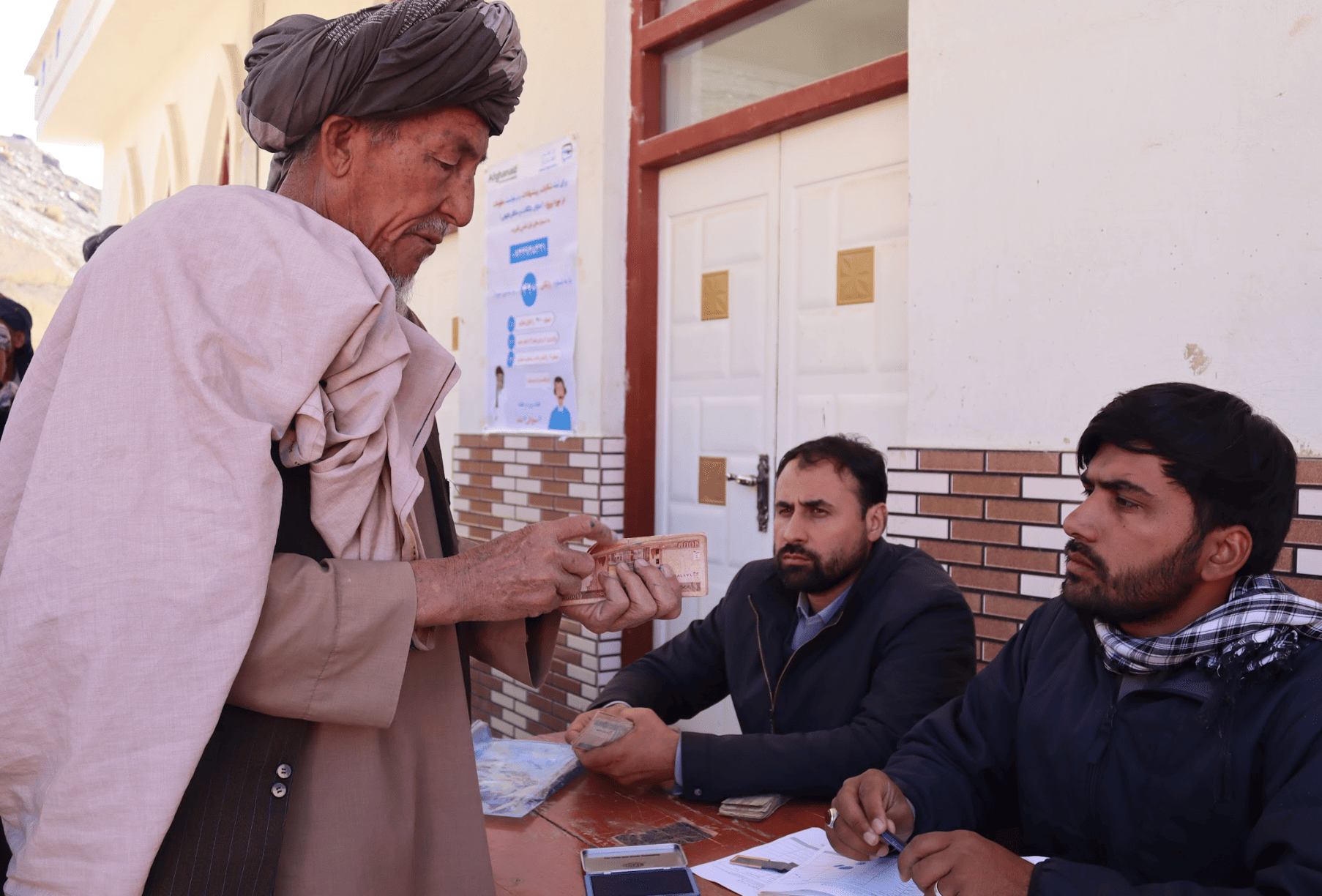
The UN’s latest Humanitarian Needs and Response Plan notes that “in 2024, an estimated 23.7 million people–more than half of Afghanistan’s population–are projected to require humanitarian assistance,” and a total of 15.8 million people will require food assistance.
In 2023, 74 percent of rural communities experienced severe drought, drying up springs and wells and cutting vulnerable households off from access to water. While agroclimatic projections for 2024 predict an end to drought conditions, experts have raised concerns that the sudden increase in rain after several years of drought is likely to expose already vulnerable communities to flash floods and landslides.
Experts have raised concerns that the sudden increase in rain after several years of drought is likely to expose already vulnerable communities to flash floods and landslides.
We will continue to Deliver immediate relief to crisis-affected households
In partnership with the United Nations Office for the Coordination of Humanitarian Affairs (UN OCHA), the World Food Programme (WFP), the Food and Agriculture Organisation (FAO) and the United Nations Office for Project Services (UNOPS), we will continue to deliver immediate relief to crisis-affected households, strengthen basic services and local infrastructure, and improve access to water, seeds and equipment for climate-resilient farming. Without long-term programming which durably mitigates the impact of climate change, Afghan communities will remain deeply vulnerable to shocks, and development gains will remain fragile.
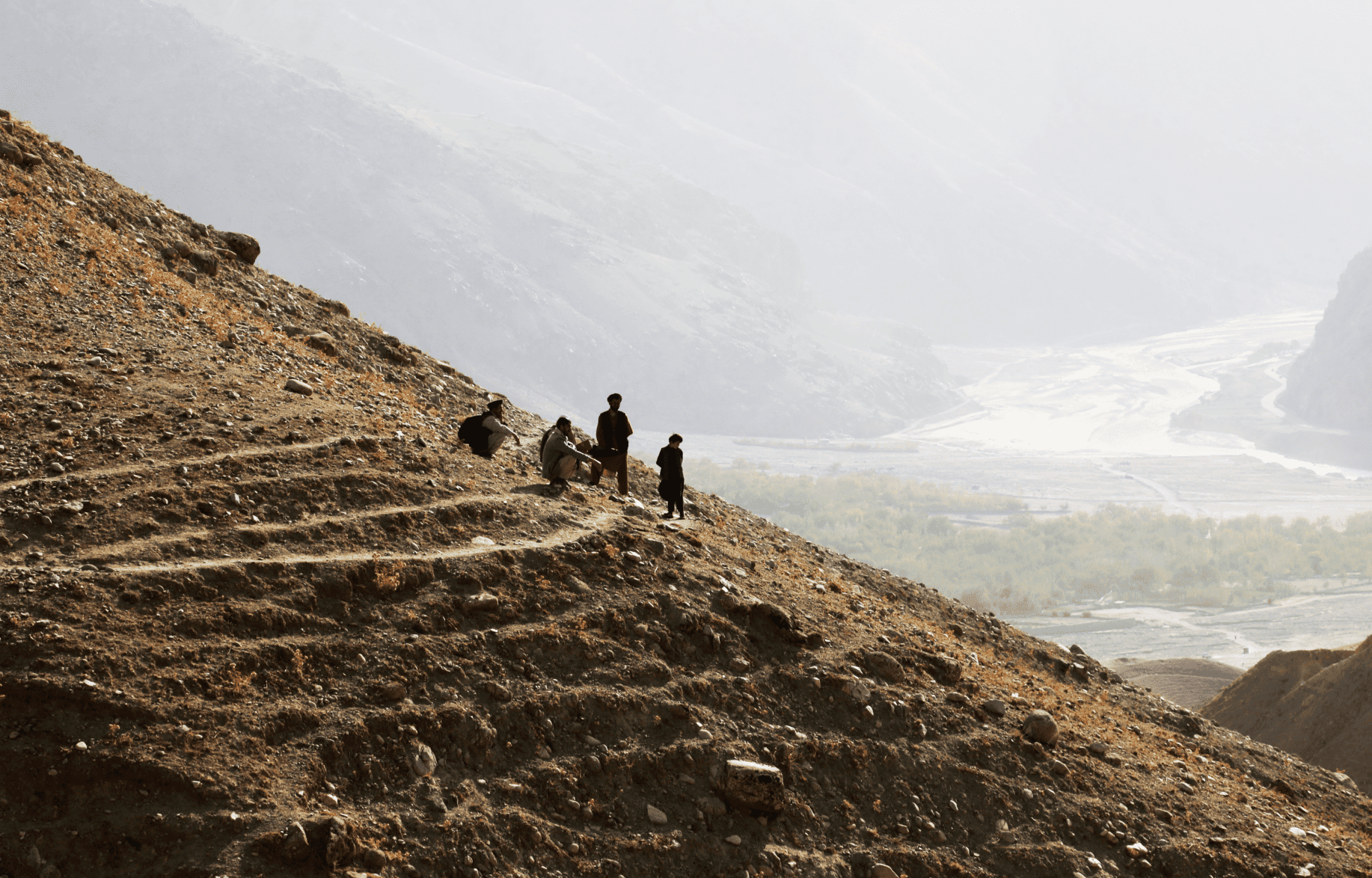
In 2024, to help build communities’ resilience, Afghanaid will expand its climate change adaptation programming.
expanding our climate change adaption programming
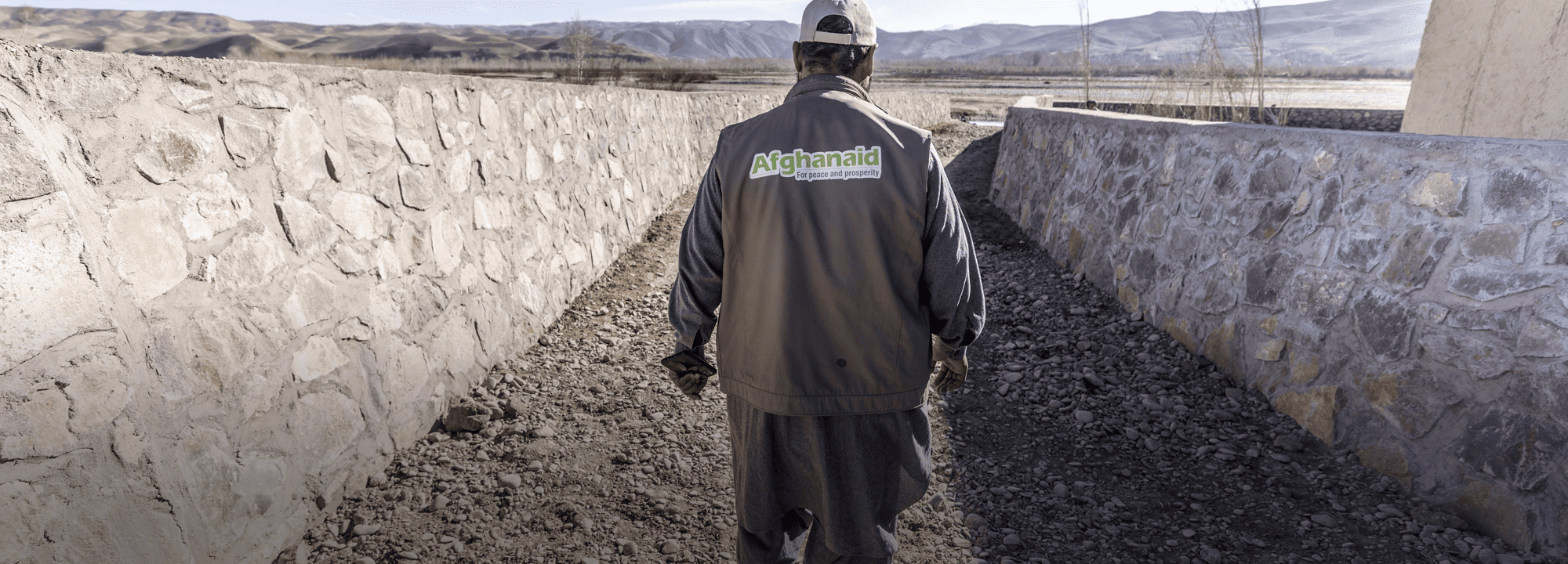
To address these challenges and build communities’ resilience, Afghanaid will expand its climate change adaptation programming in 2024. For example, with joint funding from the EU and the Swiss Agency for Development and Cooperation (SDC), Afghanaid and its partners The Liaison Office (TLO), the Afghanistan Education Production Organisation (AEPO) and the Danish Refugee Council (DRC) will start a new, multi-year programme to regenerate watersheds and ecosystems, strengthening access to water and improving the conditions for food production.
ensuring The inclusion of women
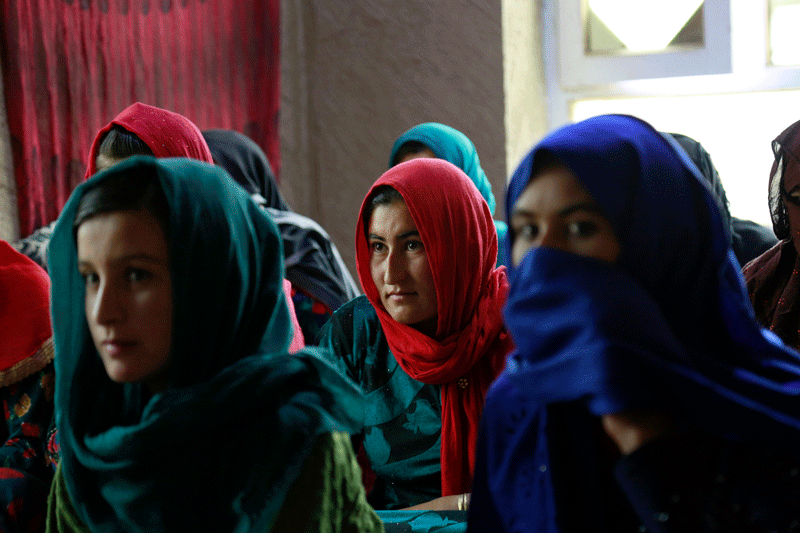
Across all our programmes in 2024, we will pay particular attention to the inclusion of women.
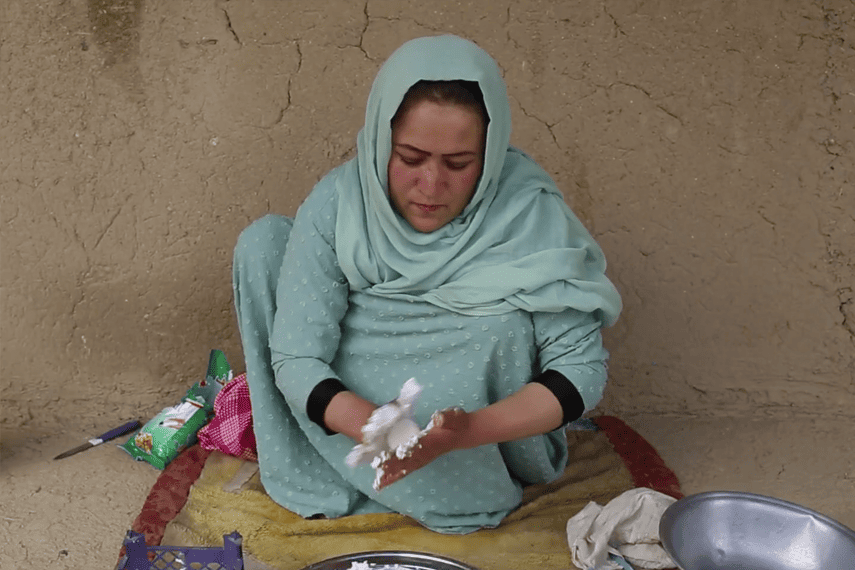
Across all our programmes, we will pay particular attention to the inclusion of women, by ensuring the access of our female staff to our field locations, raising awareness in our communities of the rights of women from an Islamic perspective, and continuing to invest in projects which enhance women’s skills and incomes.